
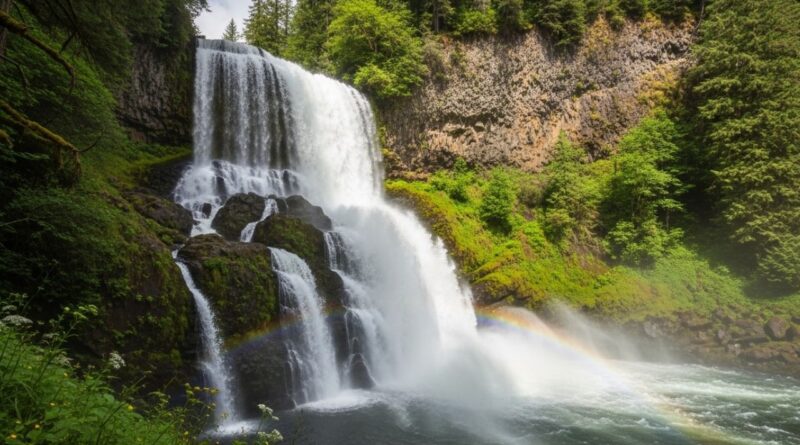
Waterfall: Nature’s Majestic Wonder
A waterfall is one of nature’s most captivating phenomena, where water flows over a vertical drop in a river or stream. These stunning formations have fascinated humans for centuries, inspiring artists, poets, and travelers alike. From the thunderous power of massive waterfalls to the gentle cascade of smaller ones, waterfalls embody both beauty and raw natural energy.
How Waterfalls Form
Waterfalls are formed through a combination of geological and hydrological processes. Typically, a river or stream flows over layers of hard rock and softer rock. Over time, the softer rock erodes faster, creating a drop. Factors such as tectonic activity, glacial movement, and erosion contribute to the formation and evolution of waterfalls, making each one unique in shape and size.
Types of Waterfalls
Waterfalls come in various forms, each with distinct characteristics:
-
Plunge Waterfalls – Water drops vertically, losing contact with the rock surface. Example: Niagara Falls.
-
Tiered Waterfalls – Water descends in a series of distinct steps.
-
Block Waterfalls – Water descends from a wide river or stream, maintaining a rectangular shape.
-
Cascades – Water flows over irregular rock surfaces, creating a gentle, stair-like descent.
-
Fan Waterfalls – Water spreads horizontally as it falls, resembling a fan.
These types highlight the diversity and beauty of waterfalls worldwide.
Ecological Importance of Waterfalls
Waterfalls play a critical role in ecosystems. They oxygenate water, support unique aquatic species, and create habitats for plants and animals. Additionally, waterfalls influence sediment transport, helping shape river valleys and surrounding landscapes. Many waterfalls also contribute tomicroclimates, supporting lush vegetation and diverse wildlife.
Waterfalls and Tourism
Waterfalls are major tourist attractions globally. Iconic sites like Victoria Falls in Africa, Iguazu Falls in South America, and Yosemite Falls in the United States draw millions of visitors annually. Beyond their aesthetic appeal, waterfalls offer recreational activities such as hiking, photography, and adventure sports like canyoning, boosting local economies and environmental awareness.
Famous Waterfalls Around the World
Some of the most famous waterfalls include:
-
Niagara Falls – USA/Canada: Known for its sheer power and hydroelectric potential.
-
Angel Falls – Venezuela: The world’s tallest uninterrupted waterfall.
-
Victoria Falls – Zambia/Zimbabwe: Nicknamed “The Smoke That Thunders.”
-
Iguazu Falls – Argentina/Brazil: A breathtaking series of cascades spanning nearly two miles.
Each of these waterfalls is celebrated for its unique beauty and geological significance.
Waterfalls in Culture and Art
Waterfalls have long inspired human creativity. They appear in traditional paintings, literature, music, and modern digital art. In many cultures, waterfalls are considered sacred or symbolize renewal and life. Their constant movement and sound evoke a sense of tranquility and awe, making them enduring subjects for artistic expression.
Conclusion:
In conclusion, waterfalls are more than just natural formations—they are symbols of nature’s power, beauty, and resilience. Whether admired for their visual splendor, ecological significance, or cultural inspiration, waterfalls continue to capture human imagination. Exploring and protecting these natural wonders ensures that future generations can experience their majesty firsthand.