
Time in London: A Complete Guide to the UK Capital’s Time Zone and Local Time
Knowing the time in London is essential for travelers, business professionals, and anyone coordinating events across time zones. London, the capital of the United Kingdom, operates on Greenwich Mean Time (GMT) during winter months and British Summer Time (BST) during daylight saving periods. Whether you’re planning a virtual meeting, booking flights, or simply checking the local time while abroad, understanding London’s time helps avoid confusion and ensures timely communication.
Time Zone in London
Greenwich Mean Time (GMT)
London follows Greenwich Mean Time (GMT) during the standard time period, which runs from late October to late March. GMT is the world’s reference time, often used for global coordination and aviation schedules. Knowing that London is on GMT in winter months helps travelers plan international meetings accurately.
British Summer Time (BST)
From late March to late October, London observes British Summer Time (BST), which is GMT+1. Daylight saving is implemented to make better use of natural daylight, shifting clocks forward by one hour. This adjustment affects scheduling for international calls, flight times, and online events.
How to Check the Current Time in London
Online Tools and World Clocks
The easiest way to check the time in London is through online world clocks, smartphone widgets, or search engines. Google, for instance, provides an instant display of London’s current time when you type “time in London” in the search bar.
Smartphone and Computer Settings
Most smartphones automatically adjust for time zones based on location. By setting London as a city in the clock app, users can quickly monitor local time, even when traveling abroad.
Daylight Saving and Its Effects on Time in London
When Daylight Saving Starts and Ends
Daylight saving in London begins on the last Sunday in March, when clocks move forward by one hour to BST. It ends on the last Sunday in October, when clocks move back to GMT. Being aware of these changes is critical for travelers and international business.
Impact on International Scheduling
The one-hour shift can affect meetings across different time zones. For example, a call scheduled at 10 AM GMT during winter will be 11 AM BST in summer. Many global companies rely on digital tools to adjust for these changes automatically.
Time Differences Between London and Other Major Cities
London vs. New York
London is typically 5 hours ahead of New York during GMT and 4 hours ahead during BST. This difference is crucial for coordinating financial markets, conferences, or remote work between the two cities.
London vs. Tokyo
Tokyo is 9 hours ahead of London during GMT and 8 hours ahead during BST. Planning events or calls requires attention to this significant time gap.
London vs. Sydney
Sydney is 11 hours ahead during GMT and 10 hours ahead during BST. Travelers often need to adjust itineraries or schedule meetings carefully due to this large time difference.
Why Time in London Matters
Business and Finance
London is a global financial hub. Accurate knowledge of the time in London is vital for stock trading, banking, and international business meetings. Financial institutions synchronize operations across multiple continents based on London’s time.
Travel and Tourism
Travelers must consider London’s time zone when booking flights, hotel check-ins, and tour schedules. Jet lag can also be managed more effectively by understanding the local time in advance.
Communication Across Time Zones
For remote teams or international friends and family, knowing the time in London ensures calls, emails, and online meetings happen atconvenienttimes for all participants.
Fun Facts About Time in London
-
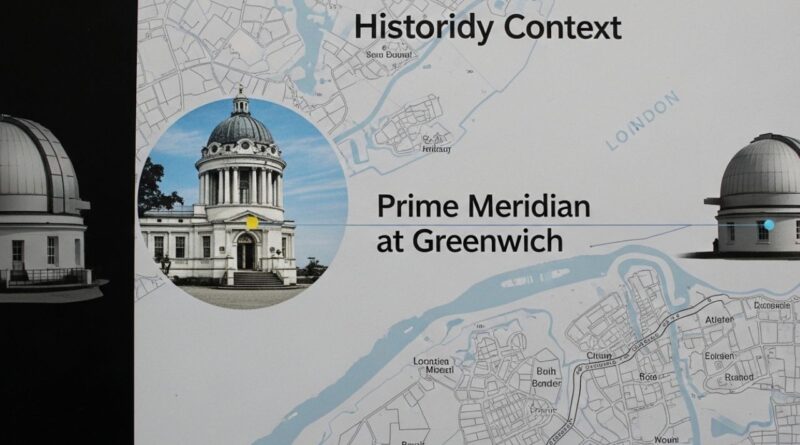
Greenwich Mean Time Origin: GMT is named after the Greenwich Royal Observatory, established in 1675.
-
London Bridges Time Across the World: London has been a reference point for global timekeeping for centuries.
-
World Clock in Trafalgar Square: London features a public clock that serves as a local landmark and practical reference.
-
Daylight Variation: In summer, London can have daylight for up to 16–17 hours, while winter nights are as short as 8 hours.
Tips for Adjusting to Time in London
-
Check the Time Zone Before Travel: Avoid confusion by verifying whether London is on GMT or BST.
-
Use World Clock Apps: Set London as a reference city for easier time conversion.
-
Plan Meetings Early: Consider London’s working hours when scheduling international calls.
-
Account for Daylight Saving: Double-check flight schedules and online events around March and October.
-
Manage Jet Lag: Adjust your sleep schedule gradually before arriving in London.
Conclusion
Understanding the time in London is essential for anyone interacting with the UK capital, whether for business, travel, or communication. From its role as the origin of GMT to observing British Summer Time, London’s time zone affects international coordination across continents. By using digital tools, being aware of daylight saving shifts, and planning accordingly, you can stay punctual and synchronized with this iconic global city.