
Sparta: The Legendary City-State of Ancient Greece
Sparta was one of the most famous city-states of ancient Greece, celebrated for its military discipline, austere lifestyle, and unique social structure. Located in the region of Laconia on the Peloponnesian Peninsula, Sparta became a dominant force in Greek history, rivaling Athens in both politics and warfare. Known for its legendary warriors and strict societal rules, Sparta continues to captivate historians, scholars, and enthusiasts around the world.
In this article, we will explore the history of Sparta, its society, military system, and the cultural legacy that continues to influence modern thought.
The Origins of Sparta
Geography and Early History
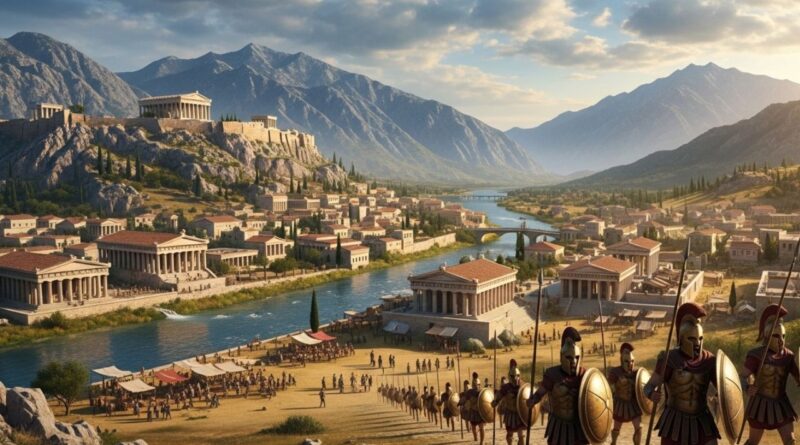
Sparta was situated in the fertile Eurotas River valley in southern Greece. Its natural geography, surrounded by mountains, provided protection from invasions and contributed to its isolationist policies. Early Spartan society developed from the Dorian Greeks, who settled in the area around the 10th century BCE.
Rise to Power
By the 7th century BCE, Sparta had established itself as a dominant military power in the Peloponnesus. Its unique dual kingship system, combined with a rigid social hierarchy, enabled Sparta to organize effectively for warfare and internal governance.
Spartan Society and Culture
Social Structure
Sparta’s society was highly structured and hierarchical, consisting of three main groups:
-
Spartiates – Full citizens who were professional soldiers and enjoyed political rights.
-
Perioikoi – Free non-citizens who handled commerce, trade, and crafts.
-
Helots – State-owned serfs who worked the land and provided agricultural labor.
This division ensured that Spartan citizens could focus on military training while the economy and daily life continued to function.
Education and the Agoge
Spartan education, known as the agoge, was designed to produce disciplined and skilled warriors. Boys were taken from their families at age seven and trained in physical fitness, combat, survival, and loyalty to Sparta. Girls also received physical training to ensure strong future mothers of Spartan warriors.
Values and Lifestyle
Spartans valued discipline, austerity, and loyalty to the state above personal wealth or comfort. Luxury and individualism were discouraged, while courage, endurance, and martial skill were celebrated. This strict code of conduct became a defining characteristic of Spartan culture.
Sparta’s Military Might
The Spartan Army
The Spartan army was legendary in the ancient world. Spartiates trained rigorously from childhood to become hoplites, heavily armed soldiers who fought in close formation. The phalanx formation, a tightly packed rectangular troop formation, was central to their battlefield strategy and contributed to Sparta’s dominance in warfare.
Notable Battles
Sparta played a crucial role in several key historical battles:
-
Battle of Thermopylae (480 BCE): Spartan King Leonidas and 300 Spartans famously resisted the Persian army, demonstrating unparalleled bravery and sacrifice.
-
Peloponnesian War (431–404 BCE): Sparta defeated Athens, establishing dominance over Greece for several decades.
These victories solidified Sparta’s reputation as one of the most formidable military powers in history.
Spartan Government and Politics
Dual Kingship
Sparta had a unique political system featuring two kings who ruled simultaneously, usually from different royal families. The kings led the army in wartime and performed religious duties, ensuring balance in leadership.
Gerousia and Ephors
The Gerousia, a council of elders, and the Ephors, elected magistrates, provided checks and balances on royal power. This system allowed Sparta to maintain internal stability while sustaining its militaristic focus.
Legacy of Sparta
Influence on Western Civilization
Sparta’s legacy extends beyond military history. The city-state’s emphasis on discipline, civic duty, and collective identity has influenced political thought, philosophy, and education in later civilizations.
Sparta in Popular Culture
From movies like 300 to video games and literature, Sparta continues to inspire modern culture. Its warriors, lifestyle, and battles symbolize courage, strategy, and resilience, making Sparta a cultural icon around the world.
Lessons from Sparta
Modern societies can learn from Sparta’s focus on discipline, teamwork, and resilience. While its harsh treatment of helots and rigid social structure is not ideal for contemporary ethics, the Spartan dedication to excellence and state service remains instructive.
Conclusion
Sparta stands out as a unique city-state in ancient Greek history. Its military prowess, strict social system, and cultural values made it one of the most admired and feared powers of its time. From the agoge training system to legendary battles like Thermopylae, Sparta has left an enduring mark on history and continues to inspire people worldwide.
Understanding Sparta provides insight into how discipline, societal organization, and collective identity can shape the success of a civilization. Though it eventually declined, Sparta’s influence on Western culture, military strategy, and popular imagination remains undeniable.