
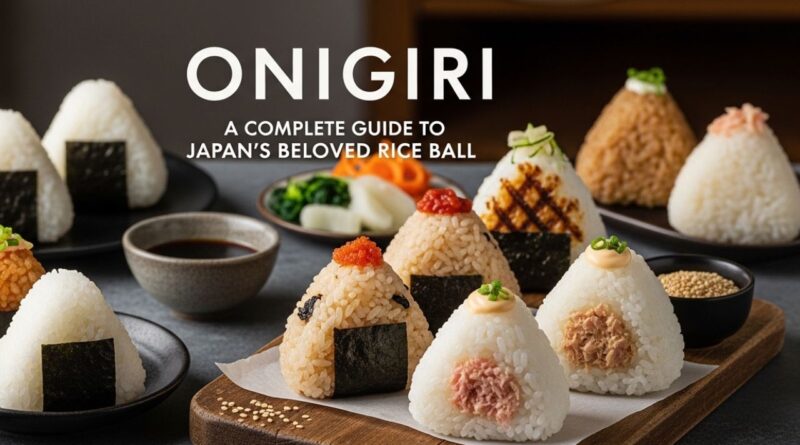
Onigiri: A Complete Guide to Japan’s Beloved Rice Ball
Onigiri is one of the most iconic and comforting foods in Japanese cuisine. Simple, portable, and deeply rooted in tradition, onigiri has been enjoyed for centuries as a convenient meal for travelers, workers, and families. Although it may look humble, onigiri represents the heart of everyday Japanese food culture, combining practicality, flavor, and cultural significance in a single rice ball.
What Is Onigiri?
Onigiri is a Japanese food made from steamed white rice that is shaped into a triangle, oval, or round form and often wrapped in a sheet of nori seaweed. Inside the rice, there is usually a savory filling that adds flavor and balance. Onigiri is sometimes referred to as a rice ball, but its preparation and cultural role make it distinct from similar dishes around the world.
Unlike sushi, onigiri rice is not seasoned with vinegar. Instead, the rice is lightly salted, which helps preserve it and enhances its natural taste. This simplicity allows the filling to stand out while keeping onigiri satisfying and easy to eat.
The History of Onigiri
The history of onigiri dates back more than a thousand years in Japan. Early forms of onigiri appeared during the Heian period, when rice was pressed into shapes to make it easier to carry and consume. Salt was used both for flavor and preservation, making onigiri an ideal food for travel and long workdays.
During the samurai era, onigiri became a practical meal for warriors, as it was filling, durable, and easy to transport. Over time, onigiri became a staple for farmers, laborers, and eventually modern households. Today, onigiri can be found everywhere in Japan, from convenience stores to homemade lunch boxes.
Common Onigiri Fillings
One of the most appealing aspects of onigiri is its variety of fillings. Traditional fillings are designed to last longer without refrigeration and complement the rice.
Umeboshi
Umeboshi, or pickled plum, is one of the most classic oni giri fillings. Its sour and salty flavor pairs perfectly with plain rice and also acts as a natural preservative.
Tuna Mayo
Tuna mixed with mayonnaise is a popular modern filling, especially among younger generations. Tuna mayo oni giri is creamy, savory, and widely available in convenience stores.
Salmon
Cooked salmon, either salted or grilled, is another traditional favorite. Salmon oni giri offers a rich flavor and is highly nutritious.
Kombu
Simmered seaweed, known as kombu no tsukudani, provides a sweet and salty taste. This filling is especially popular for its long shelf life and deep umami flavor.
How Onigiri Is Made
Making oni giri requires care and attention, even though the process is simple. Freshly cooked rice is slightly cooled so it can be handled comfortably. The hands are lightly salted to prevent sticking and add subtle flavor.
A small portion of filling is placed in the center of the rice, which is then gently shaped. The key is not to press the rice too firmly, allowing air to remain inside. This technique keeps oni giri soft and fluffy rather than dense. Nori may be wrapped around the oni giri just before eating to maintain its crisp texture.
Nutritional Value of Onigiri
Oni giri is a balanced and energy-rich food. The rice provides carbohydrates that supply sustained energy, making oni giri an excellent meal for busy days. Depending on the filling, oni giri can also offer protein, healthy fats, vitamins, and minerals.
Fillings like salmon and tuna add omega-3 fatty acids, while seaweed contributes iodine and antioxidants. Because oni giri is not fried and typically contains minimal ingredients, it can be a healthier alternative to many fast-food options when eaten in moderation.
Onigiri in Japanese Daily Life
Oni giri plays a major role in everyday Japanese life. It is commonly packed in bento lunch boxes for schoolchildren and office workers. Families often prepare oni giri at home for picnics, road trips, and festivals.
Convenience stores in Japan offer a wide range of oni giri flavors, making them one of the most popular grab-and-go foods in the country. Each oni giri is carefully packaged to keep the rice and nori fresh, reflecting the importance of quality even in simple meals.
Onigiri vs Sushi
Although oni giri and sushi may appear similar at first glance, they are quite different. Sushi rice is seasoned with vinegar, sugar, and salt, while oni giri uses plain rice with a light touch of salt. Sushi often highlights raw fish, whereas oni giri typically uses cooked or preserved fillings.
Oni giri is more casual and home-style, designed for convenience and comfort. Sushi, on the other hand, is often associated with dining experiences and presentation. Both dishes are important parts of Japanese cuisine, serving different purposes and occasions.
Modern Onigiri Variations
In recent years, oni giri has evolved beyond its traditional roots. Modern oni giri shops offer gourmet versions with premium ingredients such as teriyaki chicken, beef, shrimp tempura, and even cheese. These innovations have helped introduce oni giri to international audiences.
Outside Japan, oni giri has gained popularity as a trendy and wholesome food. Many restaurants and cafes now feature oni giri as part of their Japanese or fusion menus, adapting flavors to local tastes while maintaining the dish’s core identity.
Why Onigiri Remains Popular
Oni giri remains popular because it is simple, affordable, and deeply satisfying. It reflects the Japanese philosophy of respecting ingredients and finding beauty in simplicity. Whether eaten as a quick snack or a full meal, oni giri offers comfort and nourishment.
Its versatility also contributes to its lasting appeal. With endless filling options and easy preparation, oni giri can be customized for any preference. This adaptability ensures that oni giri continues to be loved by both traditionalists and modern food enthusiasts.
Conclusion
Oni giri is more than just a rice ball; it is a symbol of Japanese everyday life and culinary tradition. From its ancient origins to its modern global presence, onig iri has remained true to its purpose as a nourishing and practical food. With its simple ingredients, rich history, and endless variety, oni giri continues to hold a special place in Japanese cuisine and in the hearts of people around the world.