
Niece: Meaning, Family Role, and the Special Bond She Brings
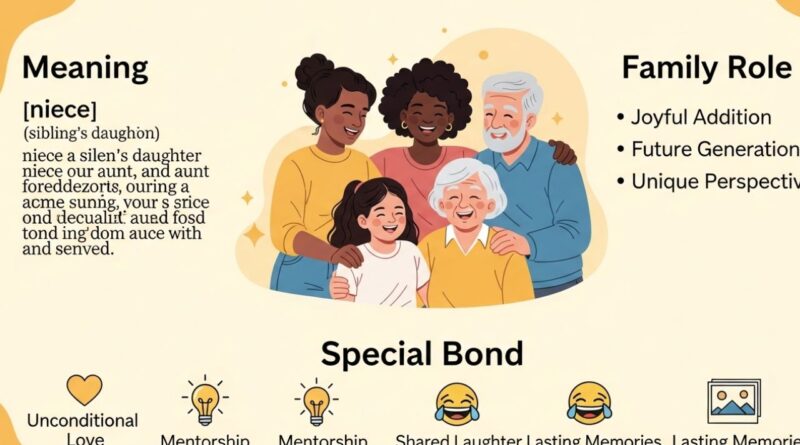
A niece is more than just a family title—it represents a meaningful relationship built on love, guidance, and connection. In simple terms, a niece is the daughter of your brother or sister. However, the emotional significance of having a niece often extends far beyond a basic definition.
Across cultures and generations, the bond between a niece and her aunt or uncle can be one of mentorship, friendship, and unconditional support. Whether she is a toddler learning to walk or a young adult navigating life decisions, a niece often holds a cherished place in the family structure.
What Does Niece Mean?
The word “niece” refers specifically to the female child of one’s sibling. If your brother or sister has a daughter, she is your niece. The male counterpart of a niece is a nephew.
The term is used worldwide and carries both legal and social meaning. In family trees, nieces represent the next generation, connecting siblingsthrough their children. This relationship strengthens extended family bonds and ensures continuity across generations.
The Role of a Niece in the Family
A niece plays an important part in maintaining family unity. She often brings joy, energy, and new perspectives into family gatherings. For grandparents, nieces represent the continuation of the family legacy. For aunts and uncles, they create opportunities to share experiences without the full responsibilities of parenthood.
A niece may look up to her aunt or uncle as a role model. This relationship can be unique because it often blends authority with friendship. Aunts and uncles can offer advice and guidance while maintaining a slightly more relaxed dynamic than parents.
The Special Aunt-Niece and Uncle-Niece Bond
The connection between a niece and her aunt or uncle is often described as special and irreplaceable. Unlike parents, aunts and uncles may provide support without daily discipline responsibilities. This creates space for:
-
Open conversations
-
Shared hobbies and interests
-
Emotional encouragement
-
Trusted mentorship
For many children, an aunt or uncle becomes a safe person to confide in, especially during teenage years. This supportive relationship can positively influence a niece’s confidence and personal growth.
Cultural Perspectives on Nieces
Different cultures place varying levels of importance on extended family roles. In many Asian, African, and Latin American societies, extended family members play active roles in raising children. A niece might spend significant time with her aunt or uncle, strengthening those bonds from an early age.
In Western cultures, while nuclear families are more common, the emotional value of extended relatives remains strong. Family celebrations, holidays, and traditions often revolve around bringing nieces and nephews together.
In some traditions, aunts and uncles may even serve as guardians if parents are unable to fulfill that role. This demonstrates the importance of trust and responsibility within extended family structures.
Celebrating Milestones with a Niece
Watching a niece grow up is a rewarding experience. From her first steps and school achievements to graduation and career milestones, being part of her journey can be deeply meaningful.
Many aunts and uncles choose to:
-
Attend school events and performances
-
Celebrate birthdays and special occasions
-
Offer career advice or mentorship
-
Provide financial or emotional support when needed
These shared experiences help build lifelong memories and a sense of belonging.
The Emotional Impact of Having a Niece
Having a niece can bring unexpected joy and fulfillment. For adults without children of their own, a niece may offer a chance to experience aspects of caregiving and guidance. For those with children, nieces add richness to the family network and strengthen sibling connections.
The presence of a niece often reinforces family bonds between siblings. When brothers and sisters see their children forming close relationships with extended relatives, it deepens trust and unity.
Modern Communication and Staying Connected
In today’s digital world, staying connected with a niece is easier than ever. Video calls, social media, and messaging apps allow families to maintain close ties even when living far apart.
Regular communication helps nurture the relationship and ensures that distance does not weaken the bond. Sending thoughtful messages, remembering important dates, and offering encouragement online can strengthen emotional closeness.
Supporting a Niece’s Development
Aunts and uncles can play a significant role in shaping a niece’s future. Offering guidance in education, career exploration, and personal values can make a lasting difference.
Ways to positively influence a nie ce include:
-
Encouraging her talents and hobbies
-
Teaching practical life skills
-
Promoting confidence and independence
-
Providing a listening ear during challenges
By being present and supportive, extended family members contribute to a child’s overall well-being.
The Lifelong Connection
The relationship with a nie ce does not end when she becomes an adult. Over time, it may evolve into a friendship between two mature individuals who share family history and experiences.
As life circumstances change—marriage, career moves, or parenthood—the bond can deepen through shared understanding and mutual respect. Many adults remain close to their aunts and uncles long after childhood.
Conclusion
A nie ce represents more than a simple family term. She symbolizes connection, continuity, and shared love within an extended family network. The aunt-ni ece and uncle-ni ece relationship can provide mentorship, joy, and lasting emotional support.
Whether through everyday interactions or milestone celebrations, the bond with a ni ece often becomes one of life’s most treasured relationships. By nurturing this connection with care and consistency, families create memories and traditions that span generations.
If you would like, I can also write a heartfelt message or letter to a ni ece for a birthday, graduation, or special occasion.