
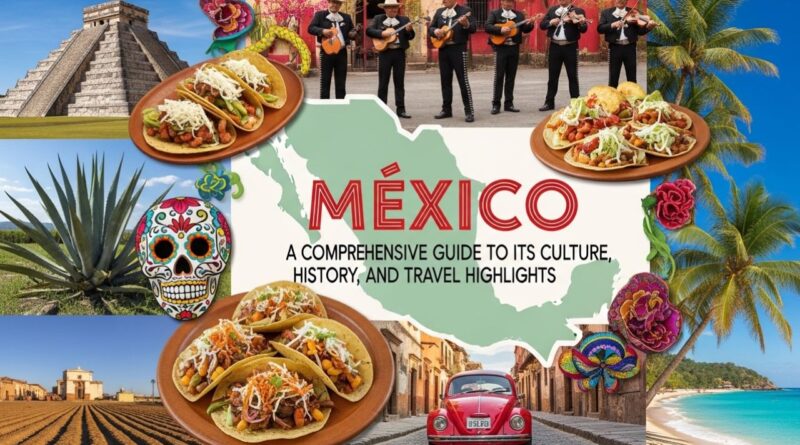
Mexico: A Comprehensive Guide to Its Culture, History, and Travel Highlights
Mexico is a vibrant country known for its rich history, colorful culture, stunning landscapes, and delicious cuisine. As one of the most visited destinations in the world, Mexico offers travelers a mix of ancient traditions, modern cities, and breathtaking natural wonders. From the bustling streets of Mexico City to the serene beaches of Cancún, the country captivates tourists and locals alike with its unique charm and diversity.
In this article, we’ll explore Mexico in depth, covering its history, culture, geography, cuisine, tourism, and economic significance, providing a complete guide for anyone interested in this fascinating country.
Geography of Mexico
Mexico is located in the southern part of North America, bordered by the United States to the north, Guatemala and Belize to the southeast, and the Pacific Ocean and Gulf of Mexico to the west and east. The country features diverse landscapes, including:
-
Mountains: The Sierra Madre Occidental and Sierra Madre Oriental ranges dominate much of Mexico’s terrain.
-
Deserts: Northern regions feature arid deserts like the Chihuahuan Desert.
-
Beaches: Mexico boasts world-famous coastlines along the Caribbean and Pacific.
-
Forests and Jungles: Southern regions are lush with tropical rainforests, home to rich biodiversity.
Mexico’s geographical diversity contributes to its varied climate and agricultural potential, making it a unique country for travelers and researchers alike.
A Brief History of Mexico
The history of Mexico spans thousands of years, from ancient civilizations to modern times.
Ancient Civilizations
Mexico was home to advanced civilizations such as the Maya, Aztec, and Olmec. These cultures made remarkable contributions in astronomy, mathematics, architecture, and art. Iconic landmarks like Chichén Itzá, Teotihuacán, and Palenque reflect this rich heritage.
Spanish Colonization
In the early 16th century, Spanish explorers, led by Hernán Cortés, conquered the Aztec Empire, establishing New Spain. Colonization introduced European culture, religion, and language, which blended with indigenous traditions to shape modern Mexican society.
Independence and Modern Mexico
Mexico gained independence from Spain in 1821. Since then, it has experienced political changes, social reforms, and economic growth, evolving into a democratic republic. Today, Mexico is recognized as one of Latin America’s most influential countries culturally and economically.
Mexican Culture
Mexican culture is a vibrant blend of indigenous traditions, Spanish influences, and modern global trends. Key aspects include:
Language
Spanish is the official language, though many indigenous languages, such as Nahuatl and Maya, are still spoken across the country.
Music and Dance
Traditional music, such as mariachi and banda, plays an essential role in Mexican culture. Folk dances like Jarabe Tapatío and regional festivals celebrate history and community.
Festivals and Holidays
Mexico is famous for its colorful festivals, including Día de los Muertos (Day of the Dead), Independence Day, and Semana Santa (Holy Week). These events highlight the country’s rich traditions and communal spirit.
Art and Literature
Mexican art and literature reflect the nation’s diverse heritage. Renowned artists like Frida Kahlo and Diego Rivera have contributed to global culture, while literature by writers such as Octavio Paz and Juan Rulfo explores Mexican identity and society.
Mexican Cuisine
Mexican cuisine is celebrated worldwide for its bold flavors, use of fresh ingredients, and regional diversity. Signature dishes include:
-
Tacos: Soft or crispy tortillas filled with meats, vegetables, and sauces.
-
Tamales: Corn dough filled with meats or sweets, wrapped in leaves.
-
Mole: A rich sauce made with chocolate, chilies, and spices.
-
Guacamole: Avocado-based dip often served with tortillas or chips.
Food in Mexico is more than nourishment—it’s a cultural experience, often associated with family gatherings, celebrations, and local traditions.
Tourism in Mexico
Tourism is a major industry in Mexico, attracting millions of visitors each year. Popular destinations include:
-
Mexico City: A bustling capital with museums, historic sites, and vibrant neighborhoods.
-
Cancún and Riviera Maya: Famous for turquoise waters, luxury resorts, and beach activities.
-
Oaxaca and Chiapas: Known for cultural heritage, traditional crafts, and local cuisine.
-
Guanajuato and San Miguel de Allende: Colonial towns with picturesque streets and artistic culture.
Tourism in Mexico blends history, adventure, relaxation, and cultural immersion, catering to a wide range of interests.
Economy of Mexico
Mexico has the 15th largest economy in the world, driven by manufacturing, services, and tourism. Key sectors include:
-
Automotive Industry: Mexico is a major exporter of vehicles and auto parts.
-
Agriculture: Produces avocados, coffee, corn, and tropical fruits.
-
Oil and Energy: Petroleum and natural gas contribute significantly to GDP.
-
Technology and Services: Growing IT, finance, and tourism sectors support economic diversification.
The country’s economy continues to expand, balancing traditional industries with modern innovation.
Challenges Facing Mexico
Despite its strengths, Mexico faces several challenges:
-
Social Inequality: Economic disparities persist between urban and rural areas.
-
Crime and Security: Certain regions experience organized crime and safety concerns.
-
Environmental Issues: Deforestation, pollution, and water scarcity affect sustainability.
-
Political Stability: Governance and policy reforms remain critical for long-term growth.
Addressing these challenges is essential for Mexico’s continued development and global positioning.
Final Thoughts
M exico is a country of contrasts, blending ancient traditions with modern advancements. From its diverse landscapes and rich culture to its vibrant cuisine and growing economy, M exico offers something for everyone. Understanding M exico’s history, culture, and modern challenges provides a deeper appreciation for this dynamic and influential nation.
Whether you are traveling, studying, or doing business, exploring M exico opens doors to unforgettable experiences, lasting memories, and valuable insights into one of the world’s most fascinating countries.