
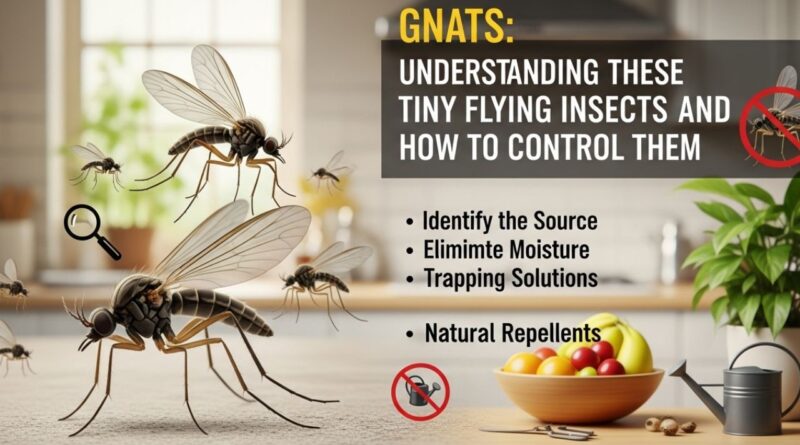
Gnats: Understanding These Tiny Flying Insects and How to Control Them
Gnats are small flying insects that are commonly found in homes, gardens, and outdoor environments. Although they are tiny in size, gnats can become very annoying when they gather in large numbers. Many people encounter gnats near plants, trash bins, or damp areas, especially during warm seasons.
These insects belong to several different species and are often confused with small flies or mosquitoes. Some gnats simply cause irritation by flying around people, while others may damage plants or spread bacteria. Understanding gnats, their behavior, and how to control them can help prevent infestations and maintain a cleaner environment.
What Are Gnats?
The term gnats refers to a group of small flying insects that belong to different families within the insect order Diptera, which also includes flies and mosquitoes. Gnats are typically very small, usually measuring between 1 and 5 millimeters in length.
Although the word “gnats” is often used broadly, it commonly refers to three main types:
-
Fungus gnat
-
Fruit fly
-
Drain fly
Each type has different habits and preferred environments, but they all share similar characteristics such as small bodies, wings, and rapid reproduction cycles.
Types of Gnats
Fungus Gnats
Fungus gnat are commonly found around houseplants and gardens. They are attracted to moist soil where fungi grow. The larvae feed on organic matter and sometimes plant roots, which can damage plants.
These gnats often appear when indoor plants are overwatered or when soil remains damp for long periods.
Fruit Flies
Fruit fly are another common type of gnat found in kitchens and food storage areas. They are attracted to ripe fruits, sugary liquids, and fermenting food.
Fruit flies reproduce very quickly, which is why a small problem can turn into a large infestation in just a few days.
Drain Flies
Drain fly, also called moth flies, live in damp environments such as sinks, drains, and sewage pipes. Their larvae feed on organic sludge that builds up in plumbing systems.
Although they do not usually bite, drain flies can multiply quickly if drains are not cleaned regularly.
Why Gnats Appear in Homes
There are several reasons why gnats may appear in your home or workplace.
Moisture and Standing Water
Gnats thrive in damp environments. Overwatered plants, leaky pipes, and standing water create ideal breeding grounds.
Rotting Food
Food waste such as overripe fruit, spilled drinks, and garbage can attract gnats, especially fruit flies.
Poor Drain Maintenance
Organic buildup in drains can attract drain flies, allowing them to lay eggs and multiply.
By eliminating these conditions, it becomes much easier to prevent gnat infestations.
Life Cycle of Gnats
The life cycle of gnats is relatively short, which allows populations to grow rapidly.
The typical life cycle includes:
-
Egg Stage – Eggs are laid in moist areas or organic material.
-
Larva Stage – Larvae feed on fungi, food waste, or organic matter.
-
Pupa Stage – The insect develops before becoming an adult.
-
Adult Stage – Adult gnats emerge and begin reproducing.
In warm environments, this cycle may take as little as one to two weeks.
Are Gnats Harmful?
Most gnats are more annoying than dangerous, but they can still cause problems.
Plant Damage
Fungus gnat larvae can damage plant roots, which may weaken or kill houseplants.
Food Contamination
Fruit flies may contaminate food surfaces by landing on fruits and kitchen items.
Irritation
Large swarms of gnats can become irritating, especially when they fly around the face or eyes.
However, most gnat species do not bite humans or transmit serious diseases.
How to Get Rid of Gnats
Controlling gnats requires removing the conditions that allow them to breed.
Reduce Moisture
Avoid overwatering plants and repair leaks that create damp environments.
Clean Kitchen Areas
Remove rotting food and keep fruits stored in sealed containers or refrigerators.
Maintain Drains
Clean drains regularly using hot water and cleaning solutions to remove organic buildup.
Use Natural Traps
A common trap involves mixing apple cider vinegar with dish soap. The scent attracts gnats while the soap traps them.
Preventing Future Gnat Infestations
Preventing gnats is easier than eliminating a large infestation.
Some helpful prevention tips include:
-
Keep garbage bins sealed
-
Avoid leaving food uncovered
-
Clean kitchen counters regularly
-
Maintain proper drainage in sinks
-
Monitor watering levels for houseplants
Simple habits like these can significantly reduce the chances of gnats appearing.
Gnats in Outdoor Environments
Gnats are also common outdoors, especially near lakes, forests, and gardens. In nature, they play a role in ecosystems by helping break down organic matter and serving as food for birds and other insects.
Although they may be annoying to humans, gnats are part of the natural balance of many ecosystems.
Conclusion
Gnats are tiny flying insects that can quickly become a nuisance in homes and gardens. While they are usually harmless, their rapid reproduction and attraction to food and moisture can make them difficult to manage.
By understanding the types of gnats, their life cycle, and the conditions that attract them, it becomes much easier to control and prevent infestations. Maintaining clean environments, reducing moisture, and using simple traps can help keep gnats away and ensure a healthier living space.