
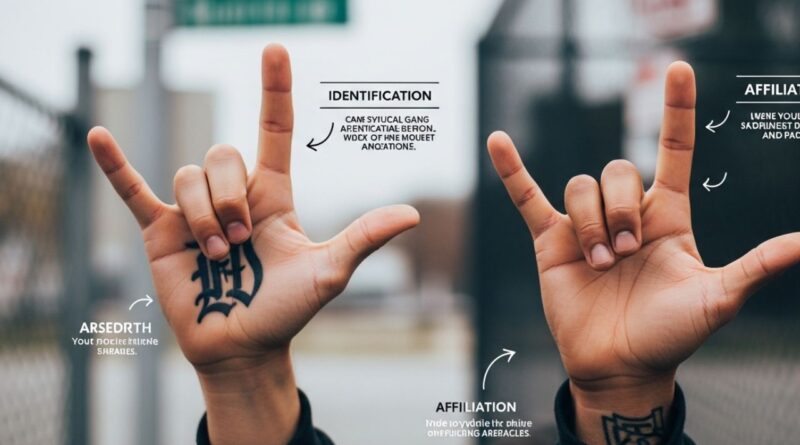
Gang Signs – History, Meaning, and Cultural Impact
Gang signs are hand gestures, symbols, or signals used by certain gangs to represent identity, loyalty, or affiliation. These gestures often function as a form of non-verbal communication between members and can indicate belonging to a specific group. While some people encounter gang signs through movies, music, or social media, their origins are deeply connected to real street gangs and criminal organizations.
Law enforcement agencies such as the Federal Bureau of Investigation and the Los Angeles Police Department have studied gang signs as part of broader efforts to understand gang activity and prevent crime. Because these symbols can represent affiliation with dangerous groups, authorities and educators often warn young people about using them casually.
Understanding the history and meaning behind gang signs helps explain why they carry significant social and legal implications.
The History of Gang Signs
The development of gang signs can be traced back to the growth of organized street gangs in large urban areas during the 20th century. As gangs expanded in cities across the United States, members began creating unique symbols to represent their identity.
These symbols served several purposes:
-
Identifying members of the same gang
-
Communicating messages without speaking
-
Displaying loyalty to a group
-
Warning rivals or outsiders
In many cases, gangs used hand gestures alongside graffiti, clothing styles, and colors to signal their presence in specific neighborhoods.
Some of the most widely known gangs associated with these gestures include groups such as the Crips and the Bloods. These gangs developed recognizable symbols that members sometimes display through hand movements or body language.
However, the use of gang signs is not limited to a single region or group. Different gangs around the world have created their own symbols and signals.
Why Gangs Use Signs
There are several reasons why gang signs became an important part of gang culture.
Identity and Belonging
For many gang members, signs represent a strong sense of identity. Displaying a sign can show loyalty and membership in a particular group.
Communication
Gang signs also function as a silent communication system. Members can identify each other or send messages without speaking.
Territory and Reputation
In some situations, signs may be used to claim territory or challenge rival groups. Because gangs often compete for influence in certain neighborhoods, symbols become part of that rivalry.
Group Unity
Shared gestures can strengthen group identity. Members may feel connected to one another through common symbols and traditions.
Gang Signs in Popular Culture
Over time, gang signs have appeared in popular culture, particularly in movies, television shows, and music. Some artists and entertainers have referenced these gestures in music videos or performances.
For example, certain hip-hop artists have incorporated hand signs into their stage presence or imagery. While these appearances may seem harmless in entertainment settings, they can sometimes blur the line between cultural expression and real gang symbolism.
Because of this influence, many young people may see these gestures without fully understanding their origins or meanings.
Educators and community leaders often emphasize the importance of understanding the context behind such symbols before imitating them.
Misunderstandings and Risks
Using gang signs without understanding their significance can create serious misunderstandings.
Safety Concerns
In areas where gangs are active, displaying certain gestures could be interpreted as claiming affiliation with a gang. This misunderstanding could lead to confrontations or dangerous situations.
School Policies
Many schools prohibit gang-related symbols, including hand signs, clothing colors, or graffiti. Administrators enforce these policies to maintain a safe environment for students.
Legal Implications
In some cases, gang symbols may appear in legal investigations or court cases. Law enforcement may consider such signs as part of evidence when analyzing gang activity.
Because of these risks, experts strongly discourage the casual use of gang signs.
How Law Enforcement Interprets Gang Signs
Authorities study gang signs as part of broader gang intelligence programs. Police departments often train officers to recognize symbols associated with known gangs.
Organizations such as the Federal Bureau of Investigation analyze patterns of gang communication, including gestures, graffiti, and coded language.
However, interpreting these signs can be complex. Not every gesture necessarily indicates gang involvement. Context, location, and other evidence are usually considered before drawing conclusions.
This careful analysis helps prevent misunderstandings while supporting crime prevention efforts.
Community Efforts to Reduce Gang Influence
Many communities work to reduce the influence of gangs and discourage the use of gang signs. Programs focused on youth education and mentorship aim to provide alternatives to gang involvement.
Common strategies include:
-
After-school programs and sports activities
-
Job training and career guidance
-
Community mentorship programs
-
Educational workshops about gang risks
These initiatives help young people build positive identities without turning to gangs for belonging or recognition.
Community leaders often emphasize that opportunities, education, and support systems can play a major role in preventing gang recruitment.
The Role of Education and Awareness
Education is one of the most effective ways to address issues related to gang signs and gang culture. When people understand the history and consequences associated with these symbols, they are less likely to misuse them.
Schools, community organizations, and law enforcement agencies sometimes collaborate to provide awareness programs. These programs explain:
-
The origins of gang symbols
-
The dangers of gang involvement
-
The long-term consequences of criminal activity
By providing accurate information, communities can help young people make safer choices.
Media Representation vs Reality
In movies and television, gang signs are sometimes portrayed as dramatic or stylish gestures. However, real-world gang activity is far more serious and often connected to violence, crime, and community harm.
Media portrayals may simplify or glamorize gang culture, but the reality includes:
-
Criminal activity
-
Legal consequences
-
Community conflict
-
Personal risk for those involved
Understanding this difference helps audiences view such portrayals critically.
Conclusion
Gang signs are symbolic gestures historically used by gangs to communicate identity, loyalty, and territory. While they may appear in entertainment or social media, their origins are closely linked to real street gangs and criminal organizations.
Law enforcement agencies, educators, and community leaders often warn about the risks associated with displaying these signs. Misunderstandings or imitation can lead to safety concerns and social consequences.
By learning about the history and meaning behind gang signs, individuals can better understand their cultural significance and avoid unintentionally promoting gang-related behavior. Awareness and education remain key tools in helping communities reduce gang influence and encourage safer alternatives for young people.