
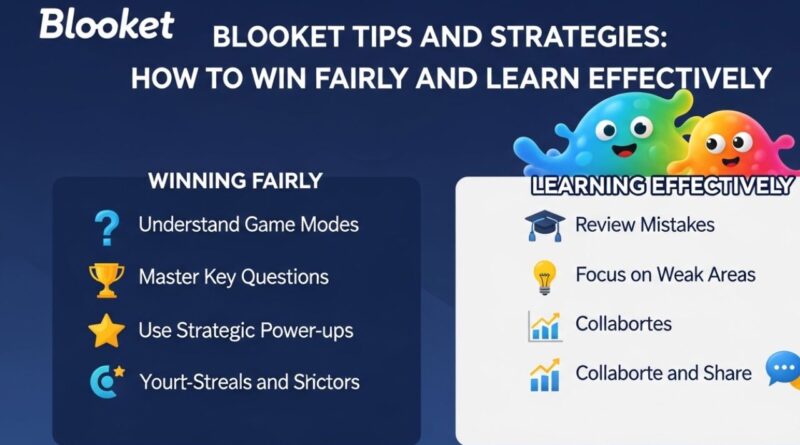
Blooket Tips and Strategies: How to Win Fairly and Learn Effectively
Blooket is an interactive educational platform that allows students to learn while playing fun, competitive games. Teachers can create question sets on any topic, and students can participate in real-time games to reinforce knowledge. While some may search for shortcuts or hacks, the best way to succeed in Blooket is by using smart strategies and fair play, which also enhances learning and engagement.This article explores effective tips, strategies, and techniques to perform well in Blooket while keeping gameplay ethical and safe.
What Is Blooket?
Blooket is a web-based educational tool designed for both teachers and students. Unlike traditional quizzes, Blooket uses game mechanics to make learning fun. Players answer questions to earn points, which can be used in various game modes like Tower Defense, Cafe, and Battle Royale.
Blooket emphasizes knowledge retention, speed, and strategy, rewarding students who understand the content and think critically.
Why Fair Play Matters in Blooket
Although Blooket is a competitive platform, fair play is essential. Using hacks or cheats may provide temporary advantages but has serious downsides:
-
Loss of learning opportunities
-
Risk of account suspension or bans
-
Unethical behavior that can affect trust and teamwork
Instead, employing strategic gameplay and study techniques ensures both success and meaningful learning.
Key Strategies to Succeed in Blooket
Here are some practical strategies to improve performance in Blooket games:
1. Understand the Game Modes
Blooket offers multiple game modes, each with unique mechanics:
-
Tower Defense: Players use points to defend against waves of enemies. Prioritize upgrades strategically.
-
Battle Royale: Speed and accuracy matter most; quickly answer questions to earn rewards.
-
Cafe: Focus on resource management; balance earning and spending points wisely.
-
Classic Mode: Pure trivia; speed and knowledge are key.
Knowing the rules of each mode helps players make smarter decisions during gameplay.
2. Practice Regularly
Consistent practice strengthens both knowledge and reaction time. Students who play Blooket frequently tend to recognize patterns in questions and improve their answering speed.
3. Focus on Accuracy First
In competitive modes, speed is important, but answering incorrectly can cost points or rewards. Focus on accuracy first, then improve speed gradually.
4. Review Question Sets Before Playing
Many Blooket games use pre-made question sets. Reviewing these sets before playing helps build familiarity and confidence, giving players a strategic advantage.
5. Learn from Mistakes
After each game, review the questions you missed. Understanding why an answer was wrong helps you retain knowledge for future rounds.
Tips for Teachers Using Blooket
Blooket is not just for students—it’s also a powerful teaching tool. Teachers can use these tips to maximize learning outcomes:
-
Create Custom Question Sets: Tailor questions to the lesson plan for focused learning.
-
Encourage Healthy Competition: Reward participation and improvement, not just winning.
-
Monitor Gameplay: Ensure students play ethically and understand the material.
-
Use Game Analytics: Review class performance to identify topics that need more attention.
By integrating Blooket into the classroom strategically, teachers can make learning engaging and effective.
Safe Ways to Improve Performance
Instead of seeking hacks, players can improve performance safely and fairly:
-
Study the Subject Matter: Knowledge is the best advantage.
-
Play with Friends for Practice: Friendly matches reduce pressure and allow learning.
-
Use Timed Practice Sessions: Train reaction speed without compromising accuracy.
-
Learn Game Mechanics: Understand how points are earned and spent in each mode.
Safe improvement builds both skills and confidence, leading to long-term success.
Common Mistakes to Avoid in Blooket
Even experienced players can make mistakes that reduce their performance:
-
Rushing Answers: Prioritizing speed over accuracy can cost points.
-
Ignoring Game Mechanics: Each mode has different rules—ignoring them can be costly.
-
Not Reviewing Mistakes: Failing to analyze errors prevents improvement.
-
Relying on Shortcuts or Hacks: These can lead to bans or lost progress.
Avoiding these mistakes ensures both success and an ethical approach to gameplay.
Why Strategy Beats Hacks
While hacks may seem tempting, strategy and preparation are far more effective. Ethical play promotes:
-
Learning retention: Players actually absorb knowledge.
-
Skill development: Critical thinking, memory, and reaction time improve.
-
Fair competition: Everyone has an equal chance, making the game more enjoyable.
-
Account safety: Avoids the risk of bans, malware, or phishing scams.
Ultimately, mastering Blooket comes from strategy and practice, not shortcuts.
Enhancing Engagement with Blooket
Blooket can also enhance classroom and online engagement through:
-
Group Challenges: Team games encourage collaboration and discussion.
-
Rewards and Recognition: Celebrate achievements to motivate students.
-
Interactive Review Sessions: Use Blooket to review lessons before tests.
These approaches make learning fun while reinforcing important concepts.
Conclusion
Blooket is a dynamic platform that blends education and gaming. While some may look for shortcuts or hacks, success comes from strategy, practice, and fair play. Understanding game modes, reviewing question sets, focusing on accuracy, and learning from mistakes are the most effective ways to win and learn simultaneously.
For teachers and students alike, Blooket offers a safe, engaging, and educational experience when approached ethically. By using these tips and strategies, players can enjoy the platform, improve knowledge retention, and develop important cognitive skills—all without compromising integrity.