
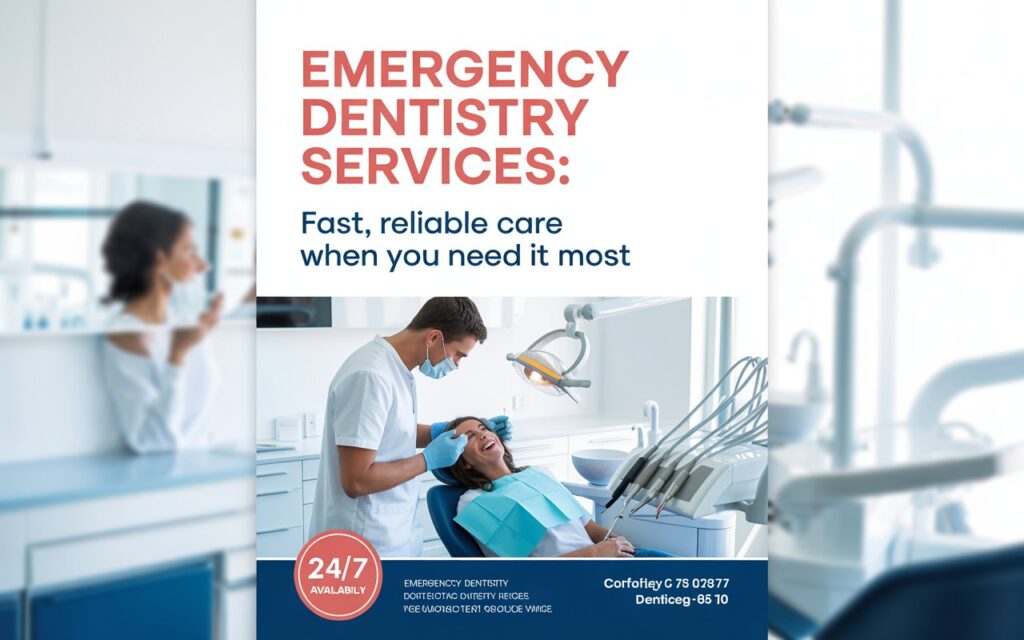
Emergency Dentistry Services: Fast, Reliable Care When You Need It Most
Dental emergencies almost always arrive without warning, introducing intense discomfort and sudden anxiety into your day. Whether it is an excruciating toothache that disrupts your sleep or a restoration that unexpectedly fails right before an important presentation, having immediate access to prompt oral healthcare is absolutely essential. Professional emergency dental services ensure that individuals facing unexpected oral health crises receive rapid assessment and definitive care, protecting their smiles and their overall physical well-being.
Understanding what constitutes an urgent situation and knowing how local dental professionals respond can make all the difference when a crisis occurs. By prioritising accessibility and efficiency, modern emergency clinics remove the guesswork from dental trauma, providing a reliable safety net for families and individuals across the community.
Defining a Genuine Dental Emergency
Not every minor mouth irritation requires an immediate midnight trip to a clinic, but understanding the line between a routine appointment and an urgent crisis can save a tooth. Severe conditions that demand immediate professional attention include knocked-out teeth, fractured jaws, severe swelling in the gums or facial structures, and uncontrollable post-operative bleeding.
Unbearable pain that does not respond to standard over-the-counter medication also signals a major crisis, often pointing to an underlying infection. Identifying these critical symptoms early allows patients to seek professional intervention before minor infections progress into systemic health complications, which could eventually require hospitalisation or complex maxillofacial surgery.
The Critical Window for Dental Trauma
When physical impact from sports injuries, accidental falls, or vehicular mishaps damages the mouth, time becomes the single most critical factor in saving the natural dentition. A displaced or completely avulsed (knocked-out) tooth has a highly limited window for successful replantation, usually under an hour.
Seeking immediate professional assistance is vital in these moments, as fast treatment matters in emergency dentistry situations involving trauma. Swift clinical intervention vastly increases the structural likelihood of saving a damaged tooth, preserving the natural jawbone architecture and minimizing the long-term need for costly, invasive restorative procedures like dental implants or complex bridges.
Preventing the Spread of Acute Infections
An untreated dental infection, such as an abscessed tooth, represents a ticking clock. What begins as a localized ache near the root tip can rapidly spread to the surrounding gum tissue, bone structure, and eventually the bloodstream or deep neck spaces. Emergency dental teams are trained to identify the precise source of bacterial infections through rapid diagnostic digital radiographs.
By initiating immediate antibiotic therapies, performing targeted drainage, or opening the tooth to relieve internal pressure, clinicians halt the aggressive progression of disease. This prompt containment protects your systemic health and prevents the infection from damaging neighbouring healthy teeth.
Minimizing Long-Term Structural Damage
When a tooth suffers a deep fracture or a large filling falls out, the delicate inner structures—including the nerves and blood vessels—are left entirely exposed to the bacteria and thermal fluctuations of the oral environment. Leaving these structures vulnerable even for a few days can lead to irreversible nerve death and subsequent tooth loss.
Emergency dental care focuses on sealing these vulnerable areas immediately. By placing sturdy temporary crowns, structural bonds, or protective sedating fillings, dentists insulate the internal architecture of the tooth. This defensive measure mitigates further structural breakdown, ensuring that the tooth remains viable for permanent restorative work down the road.
Immediate Pain Management and Relief
Persistent oral pain is incredibly debilitating, affecting an individual’s basic ability to eat, sleep, communicate, or concentrate on daily tasks. Emergency dentists focus heavily on diagnosing the root cause of acute pain, which frequently stems from deep decay, advanced periodontal abscesses, or hidden vertical nerve fractures.
By administering localized anesthesia and performing urgent, highly targeted interventions like emergency root canals or necessary extractions, clinicians excel at offering rapid relief to suffering patients. This immediate alleviation of distress restores peace of mind, allowing individuals to return to their normal routines without the burden of exhausting, unmanaged physical suffering.