
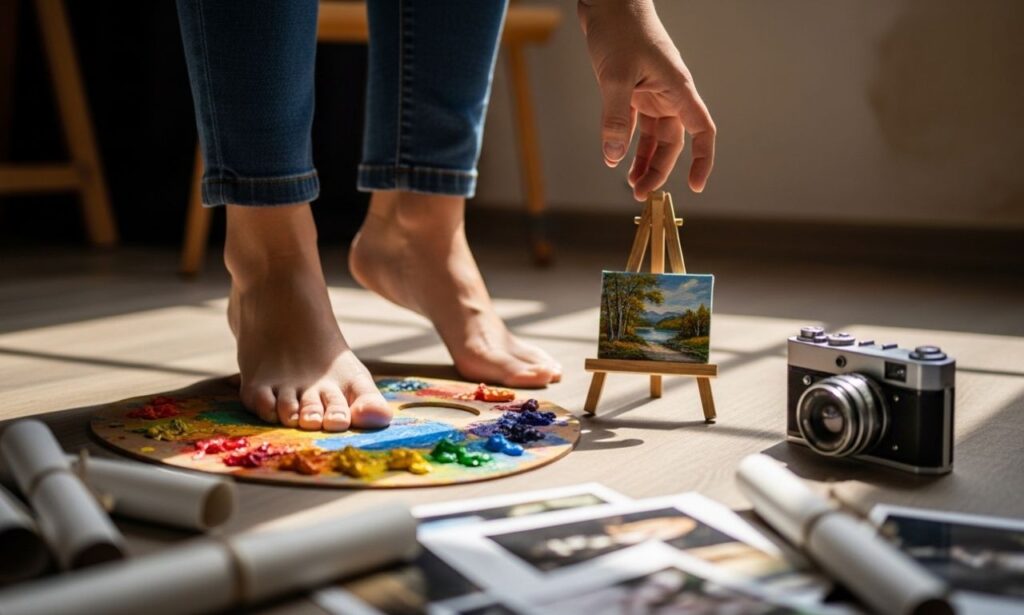
Footography: Exploring the Art and Creativity Behind Foot-Focused Photography
Footography is a niche yet fascinating field of photography that focuses on capturing images of feet, footwear, and foot-related perspectives. While it might seem unusual at first, footography is increasingly popular among photographers, social media creators, and art enthusiasts for its creative potential. From documenting footwear fashion trends to capturing the expressive movement of dancers’ feet, footography provides a unique lens through which to view the world. In this article, we’ll explore what footography entails, its applications, techniques, and tips to master this creative niche.
The Rise of Footography
1. Social Media Influence
Platforms like Instagram, Pinterest, and TikTok have popularized footography, with users sharing aesthetically pleasing or quirky images of shoes, socks, and bare feet. Hashtags like #Footography, #ShoePhotography, and #FeetArt make it easy for photographers to discover inspiration and build an audience.
2. Fashion and Footwear Photography
Fashion brands frequently use footography to showcase shoes in catalogs, advertisements, and social media campaigns. Close-ups, artistic angles, and environmental contexts all contribute to visually compelling images that highlight footwear design and style.
3. Dance and Movement Photography
Photographers often focus on dancers’ feet to capture balance, posture, and expressive motion. Footography in this context emphasizes the technical skill and beauty of dance through a detailed study of foot placement and movement.
Techniques for Capturing Great Footography
1. Lighting Matters
Proper lighting is crucial in footography. Natural light works well for outdoor shots, while soft studio lighting is ideal for highlighting textures in footwear or foot details. Avoid harsh shadows that can obscure the subject.
2. Creative Angles
Experimenting with angles can make footography more artistic. Low angles, close-ups, or top-down perspectives can add depth and emphasize patterns or movement.
3. Focus on Details
Close-up shots of toes, arches, or footwear textures can create intimate and engaging images. Macro lenses or smartphones with portrait modes are particularly useful for this approach.
4. Context and Environment
Footography becomes more compelling when the subject interacts with surroundings. Sand, water, city streets, or dance studios can add context and tell a story through your images.
Applications of Footography
1. Artistic Expression
Artists use footography to explore form, symmetry, and texture. This niche can highlight the human body, emphasize movement, or create abstract compositions.
2. Fashion and E-Commerce
Retailers and designers rely on footography to display their products. Clear, aesthetically appealing foot-focused images attract customers and enhance online shopping experiences.
3. Travel and Lifestyle Content
Travel bloggers often include footography in “from my perspective” shots—feet dangling over scenic cliffs, sandy beaches, or city streets. This style provides a personal and relatable touch to travel storytelling.
4. Sports and Action Photography
Athletes’ footwork is critical in many sports. Capturing the feet in action, whether on a soccer field, running track, or basketball court, can convey speed, precision, and athleticism
Tips for Mastering Footography
-
Use Props and Accessories: Shoes, socks, or floor textures can enhance the composition.
-
Experiment with Composition: Rule of thirds, leading lines, and symmetry can make footography more visually appealing.
-
Post-Processing: Adjust contrast, saturation, and sharpness to emphasize details and textures.
-
Tell a Story: Think beyond the foot as a subject—what mood or message does your image convey?
-
Respect Privacy: If photographing others’ feet in public or private settings, always obtain permission.
Popular Footography Styles
Minimalist Footography
This style emphasizes simplicity—often a single pair of feet or shoes on a plain background to highlight shape and form.Environmental Footography
Feet interacting with natural or urban landscapes add context, telling stories about travel, culture, or activity.
Fashion-Focused Footography
Aimed at highlighting footwear design, color, and style trends, often used for magazines, social media, and product promotion.
Action and Movement Footography
Capturing movement, like running, dancing, or jumping, emphasizes motion and energy in the shot.
Tools and Equipment for Footography
-
Camera: DSLRs, mirrorless cameras, or high-quality smartphones
-
Lenses: Macro, wide-angle, or standard prime lenses depending on the style
-
Lighting: Natural light, ring lights, or softbox setups
-
Tripods: Helpful for low-angle or consistent framing
-
Editing Software: Adobe Lightroom, Photoshop, or mobile editing apps for color correction and retouching
Conclusion
Footography is a versatile and creative niche in the world of photography. From artistic expression to fashion, travel, and sports, focusing on feet opens new opportunities for storytelling and visual impact. By experimenting with angles, lighting, and composition, photographers can create captivating images that stand out. Whether you are a professional, hobbyist, or social media creator, exploring footography can enhance your portfolio and inspire innovative perspectives.